Ongoing Project: Redesign New Instructor Training
CONTEXT: The current new instructor training program was developed in 2020. Each year, approximately 200 new instructors complete this training. Our initial training shapes our initial classes, which shape our clients' first impressions of us. This introductory training is also our new hires' first contact with our academic team, shaping their perception of the company, including company values and expectations for instructors. These factors shape a new instructor's initial satisfaction with their job. Improving the quality of our initial training sequence will improve client satisfaction and increase employee retention.
ANALYSIS (April - June 2025):
Feedback was solicited from relevant stakeholders (new instructors receiving the training, current academic trainers delivering the training, clients working with new instructors, and managers of instructors). A SWOT analysis was performed, with a concise summary below.
Strengths: The current training is effective at helping new instructors to understand and remember the motivation and attitude of most of our kids & teens students. Approximately 1 hour of the 3-hour training sequence is devoted to this topic. An additional hour is devoted to the new instructor's first class: creating shared expectations and also customizing the first class's presentation slides with the new instructor. Instructors feel confident and empowered both before and after leading their first class. Managers regularly report that instructors perform well in this first class. Clients consistently share positive feedback during our initial weeks of classes following new instructor training. Academic trainers find it easy to deliver these two sections of the training (student motivation & first class preparation).
Weaknesses: Insufficient time is devoted to applying and analyzing specific teaching methods (approximately 1 hour). Instructors have requested more time for this topic. While follow-up training is a regular part of instructor professional development, resources are limited. Introducing more advanced topics in the initial training can reduce the company's expenses on ongoing professional development. Academic trainers highly customize this section of the training based on their own experiences and backgrounds. Occasionally, trainers report feeling unprepared to address specific questions related to specific class contexts (e.g. online vs. in person, large group (25-30 students), or unique client requests).
Opportunities: Streamlining the sections on student motivation & the first class would permit more time for applying & analyzing teaching methods and engaging with specific case study examples. First class slide preparation could be separated from the live training and shared as a self-directed activity with supporting materials. Both controlled (shared) and less-controlled (independent) practice activities should be included. Modular case studies can be included to address the varied needs of clients (e.g. online vs. in person, large group vs. standard group, etc). By creating more standardized case studies, this information can be provided in advance to new instructors to preview and/or translate into their native language to prepare for training.
Threats: Current trainings contain 1-5 instructors. Practice activities within the training can be time consuming. Managing the time in group trainings can be challenging for new academic trainers. New instructors have a variety of backgrounds and experiences, leading to customized initial training needs. New instructors are almost exclusively non-native English speakers, with various levels of English fluency.
DESIGN (July - September 2025):
Utilize best practices in androgogy and instructional design to develop an effective framework for the training of new instructors, integrating the completed analysis of our existing training methods.
Key ideas:
- Improve the motivational climate of the course using the MUSIC model of Student Motivation.
- Follow Mezirow's Transformative Learning Theory to hold space for participants to formally examine existing assumptions and reflect critically on newly presented ideas.
- Present real-world examples for learners to engage with via Merrill's Principles of Instruction.
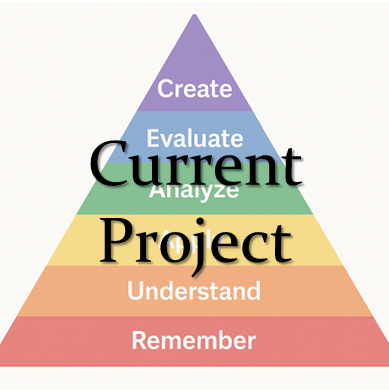
- Flexible application of Bloom's Taxonomy of Learning to increase the application and analysis of material.
Key Sections & Timeline:
- Student Needs & Motivation (Aug)
- Our Goal (Sept)
- Review of Our Company's Values & Expectations in the Context of Kids & Teens (Sept)
- Creating Lesson Plans: An Overview (Aug)
- Your First Class (Flipped Classroom - Primarily Self-Study) (July)
- 3 Key Teaching Methods (Aug)
- Case Studies (Create 7-8; trainers utilize 3 per training based on new instructors' backgrounds and client needs) (July)
DEVELOP (October - December 2025):
Create training materials (lesson plans, slides, trainee handouts) and supporting materials (train the trainers) (October-November). Solicit feedback from academic and management teams (November) and finalize materials (November-December).
IMPLEMENT (Part I: January - March 2026; Part II: July - September 2026):
The peak hiring season is July-September (up to 100 new hires). By soft launching in January, we have an opportunity to make adjustments and improvements with a smaller cohort (10-30 new instructors January-March). Initial rollout of newly developed materials in January 2026, to be evaluated and refined for a final launch in July 2026.
EVALUATE (Part I: January - June 2026; Part II: July - December 2026):
Elicit feedback in real-time from instructors, managers, academic trainers, and clients during the initial implementation rollout (January-March). Compile and analyze feedback for common themes, and propose adjustments and improvements to the academic team (April-May). Improve materials in advance of the peak season (May-June). Repeat the feedback-analysis-improvement process during and after the peak training season (July-December).
Post a comment